Steve Wozniak in Geelong
Apple co-founder · Pivot Summit
Research, coaching and technology. Twenty years working with athletes.
The athlete behind the training.
Senior Exercise Physiologist · Health AIML
I'm Leighton Wells: applied sport scientist, triathlon coach and physiology teacher. My doctoral research at Deakin examined how triathlon coaches prescribe, measure, monitor and manage training load. Its training-data study analysed 34,731 sessions recorded in TrainingPeaks by 95 age-group triathletes. About twenty years of coaching keeps that research tied to real athletes, alongside more than twenty years in technology and commercial leadership. Apple's focus on evaluating exercise guidance brings those experiences together. The work interests me because the quality of the evidence, the way advice is expressed and its suitability for the person all need careful attention.
Open audio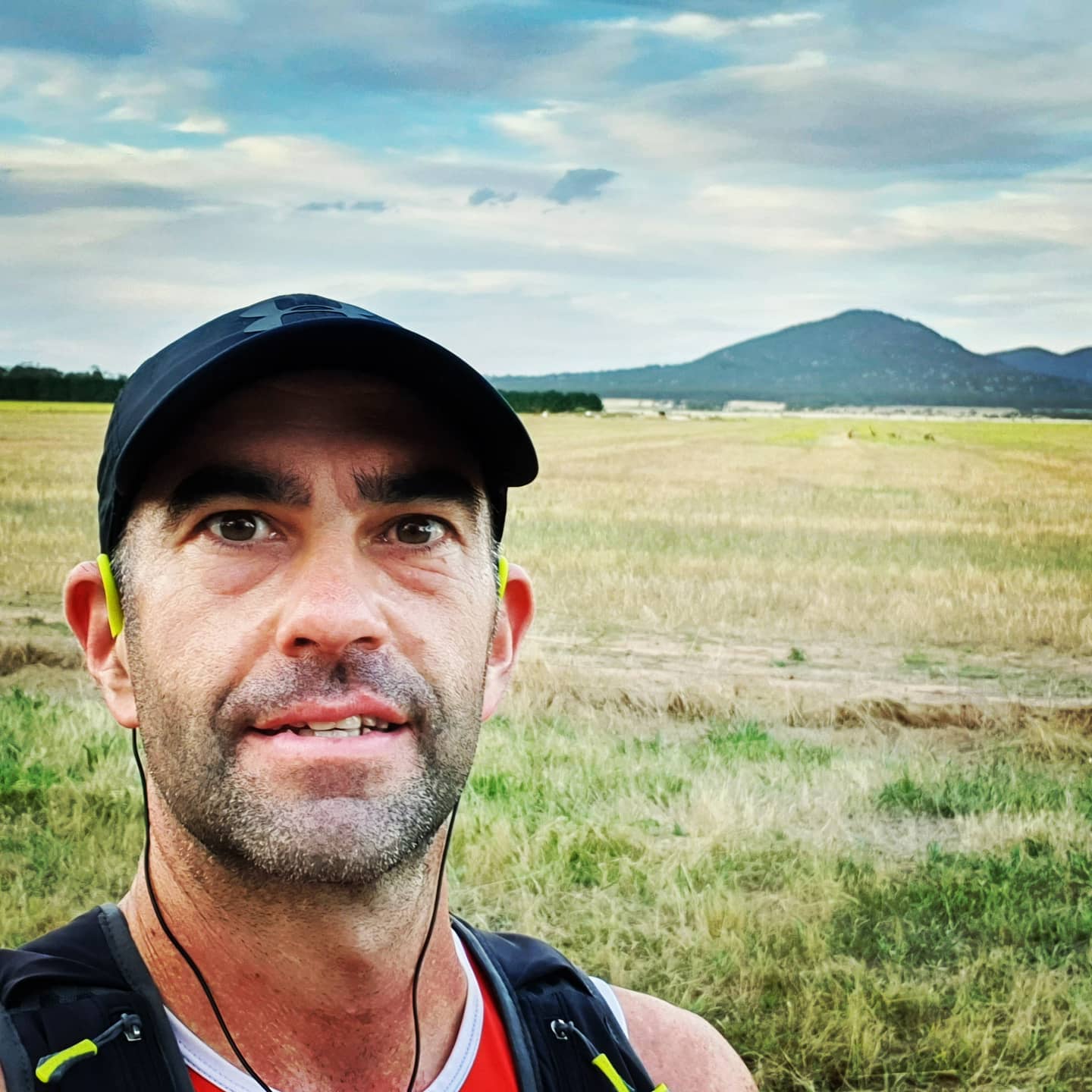
Applied sport scientist, triathlon coach and physiology teacher.
Doctoral research at Deakin examined how triathlon coaches prescribe, measure, monitor and manage training load. Its training-data study analysed 34,731 sessions recorded in TrainingPeaks by 95 age-group triathletes. About twenty years of coaching, in Australia and internationally up to Ironman distance, keeps that research tied to real athletes. Before sport science became my main work, I spent more than twenty years in technology and commercial leadership, including product management at ADP.
Apple’s focus on evaluating exercise guidance brings research, coaching and technology together. The work interests me because the quality of the evidence, the way advice is expressed and its suitability for the person all need careful attention.
Standards and evaluationPivot Summit · Federal Mills, Geelong · 8 December 2017
I founded and led Pivot Summit, a regional technology and innovation event, from 2015 to 2019. In 2017, it brought Apple co-founder Steve Wozniak to regional Australia for the first time. I paid half of his speaking fee and raised the capital for the rest. Across its run, Pivot secured more than one million dollars in sponsorship, including Deakin University's major sponsorship. The following October, Steve Wozniak wrote to me: "Maybe one event a year stands out for me and that year it was Geelong."
Open audio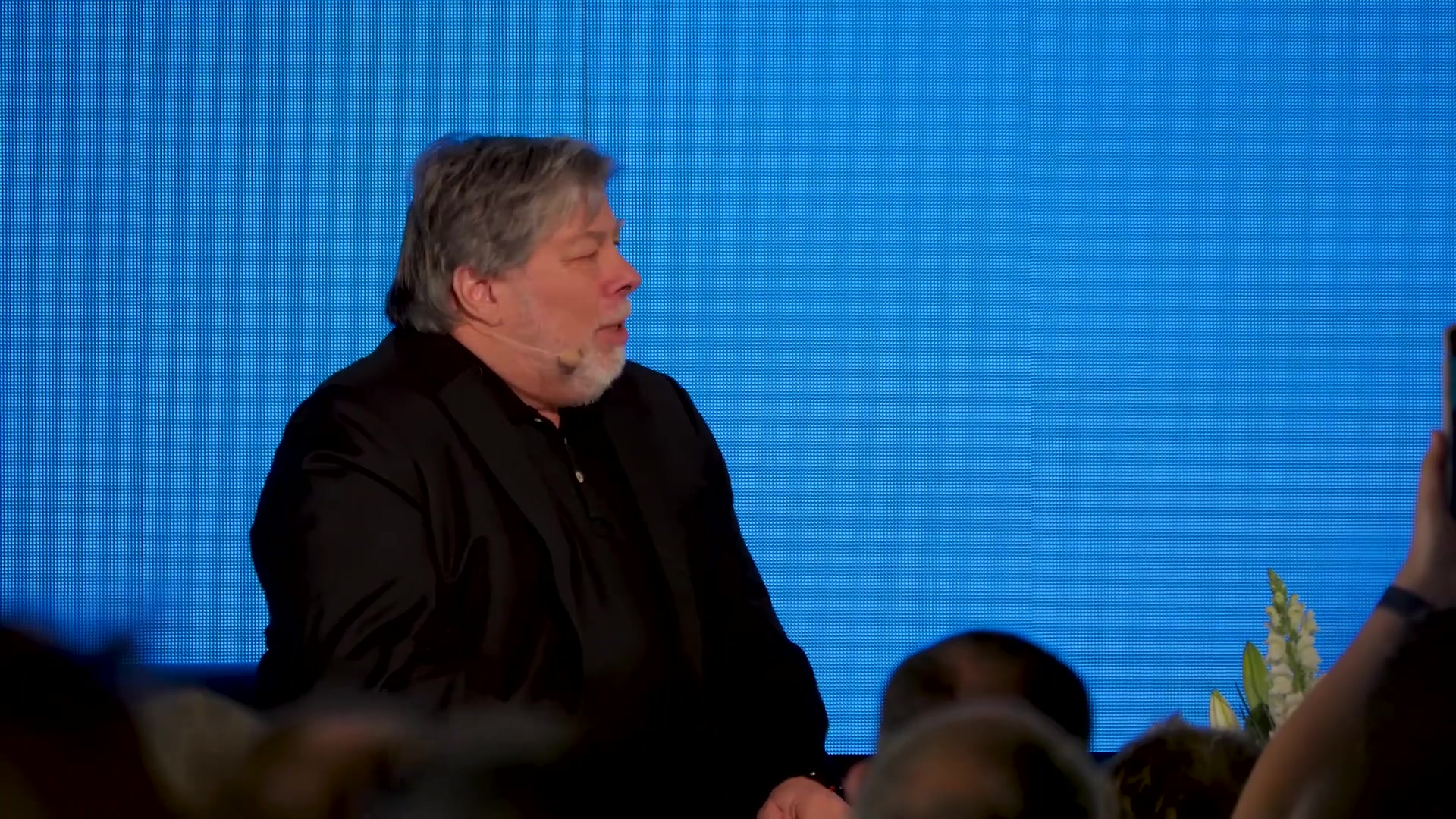
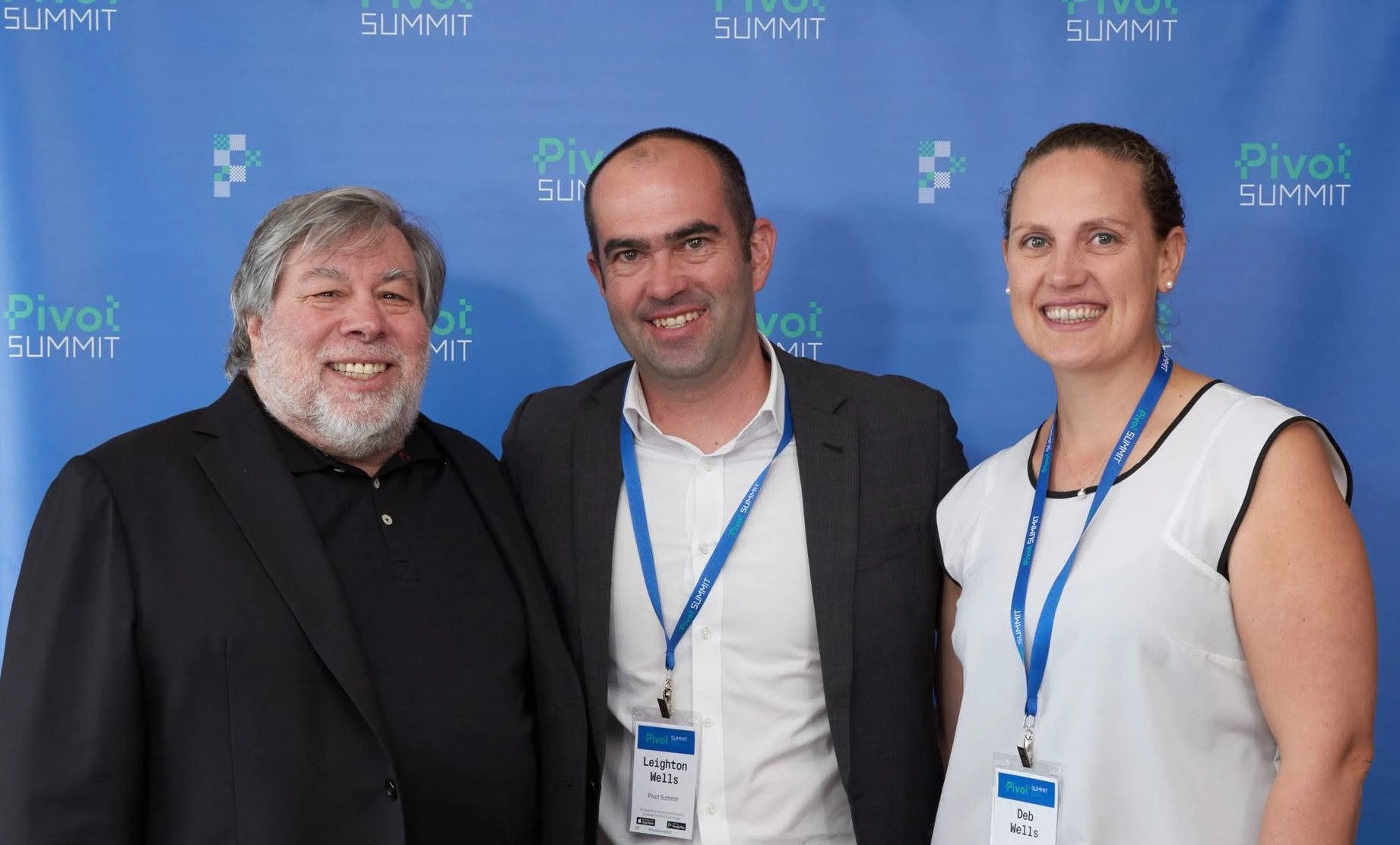
I founded and led Pivot Summit, a regional technology and innovation event, from 2015 to 2019. In 2017 Pivot Summit brought Apple co-founder Steve Wozniak to regional Australia for the first time. I paid half of his speaking fee and raised the capital for the rest.
Across its run, Pivot secured more than $1 million in sponsorship, including Deakin University’s major sponsorship, negotiated with Vice-Chancellor Professor Jane den Hollander AO.
Apple co-founder · Pivot Summit
Across Pivot Summit’s run, 2015–2019.
I do up to 100 events a year. … Maybe one event a year stands out for me and that year it was Geelong.
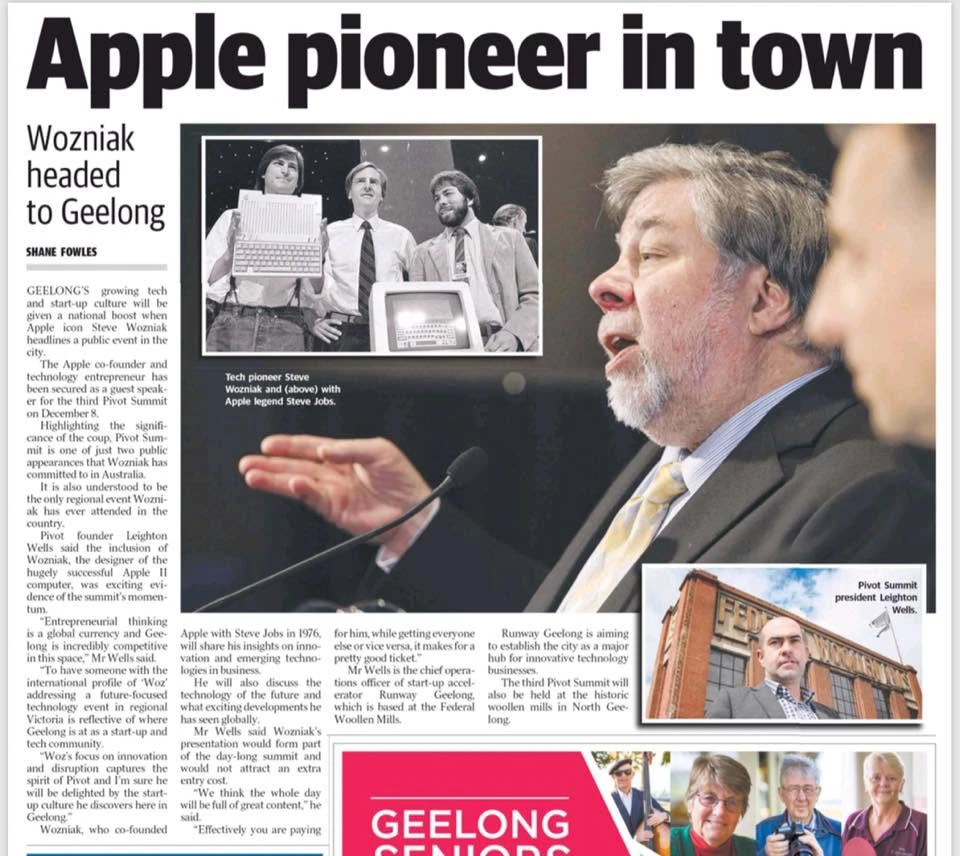 Apple pioneer in townView clipping
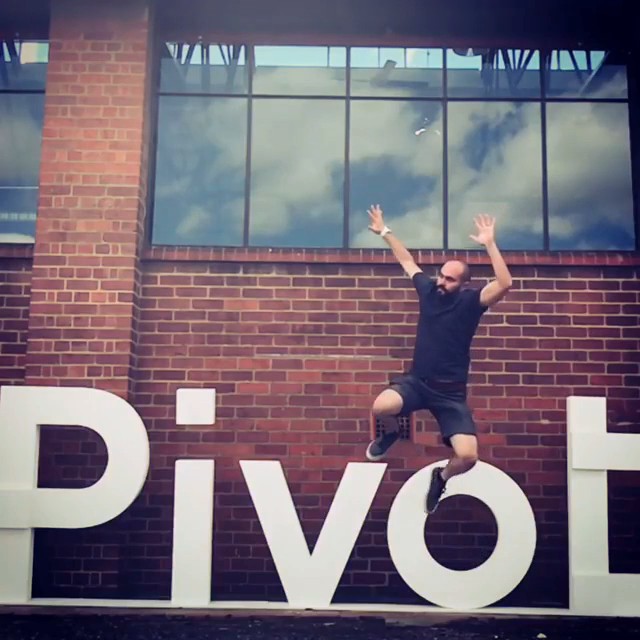
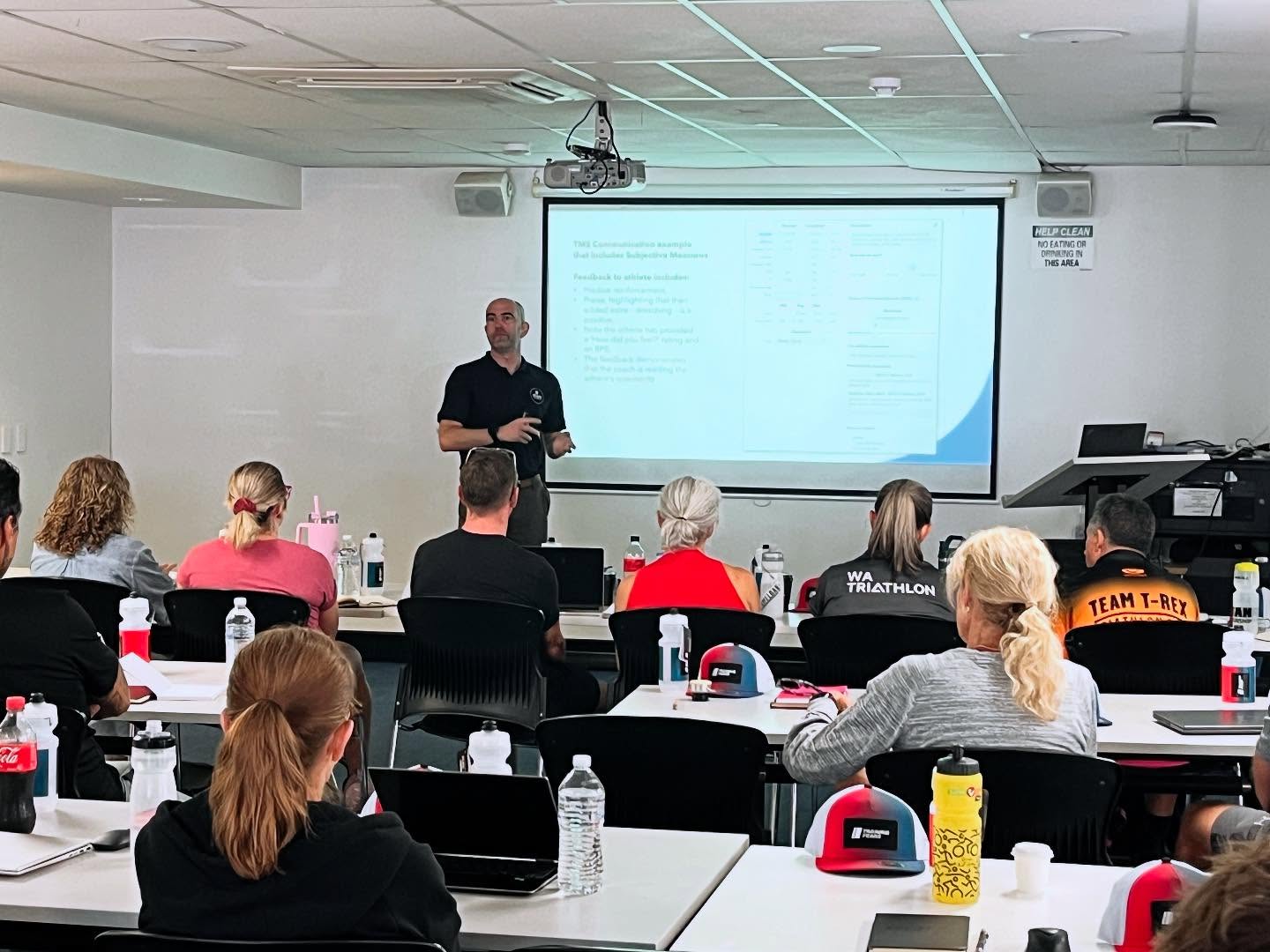
Teaching and scientific communication
I teach physiology at Deakin University and Victoria University, ranked first and sixth in the world for sport science in the 2025 Shanghai Rankings. At Deakin, that covers physiology, coaching and sport technology across eight units, including Exercise Programming, which includes strength and conditioning for clinical populations. At Victoria University, I've carried unit-chair responsibilities, including moderation and student support. My teaching in three units has received one hundred per cent positive student ratings.
Open audioI teach exercise physiology, coaching and sport technology across eight units.
I carried unit-chair responsibility for SSC2000 Sport Coaching Systems and Technology and AHE3114 Sport Physiology, covering assessment, moderation, student support and grade release.
Sport science globally · Shanghai Rankings 2025
My teaching has received 100 per cent positive student ratings in six Deakin units, including HSE302 Exercise Programming, HSE208 Integrated Human Physiology and HBS109 Introduction to Anatomy and Physiology.
Exercise Programming covers strength and conditioning for older adults, postpartum women and people returning from injury.
You have a great presence in the classroom, and your ability to connect research with real world sporting scenarios made the learning experience that much more valuable.
Made content easy to understand in laboratory sessions
Leighton is a magnificent resource, very knowledgeable and very well prepared for classes
Wearables and measurement
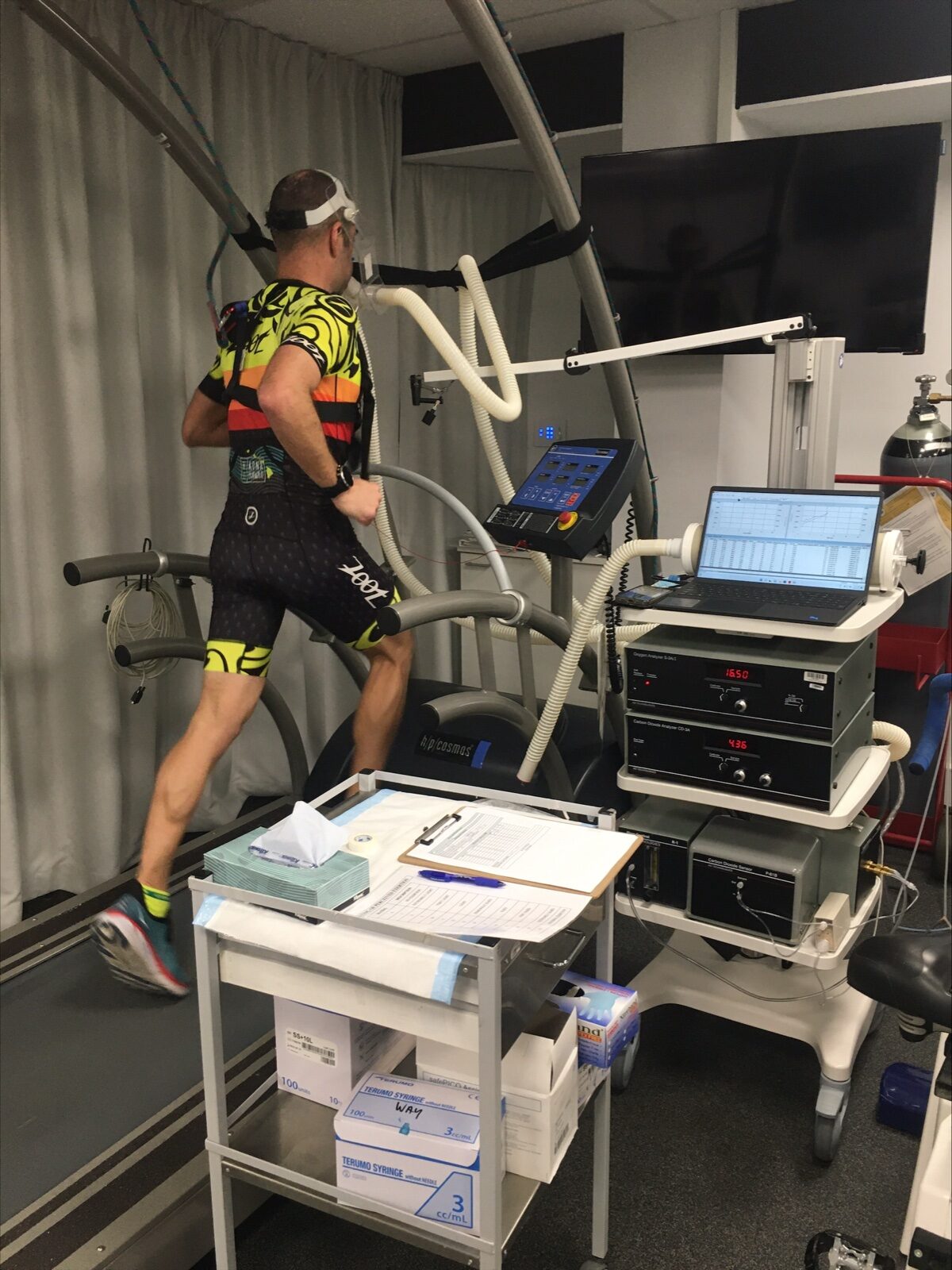
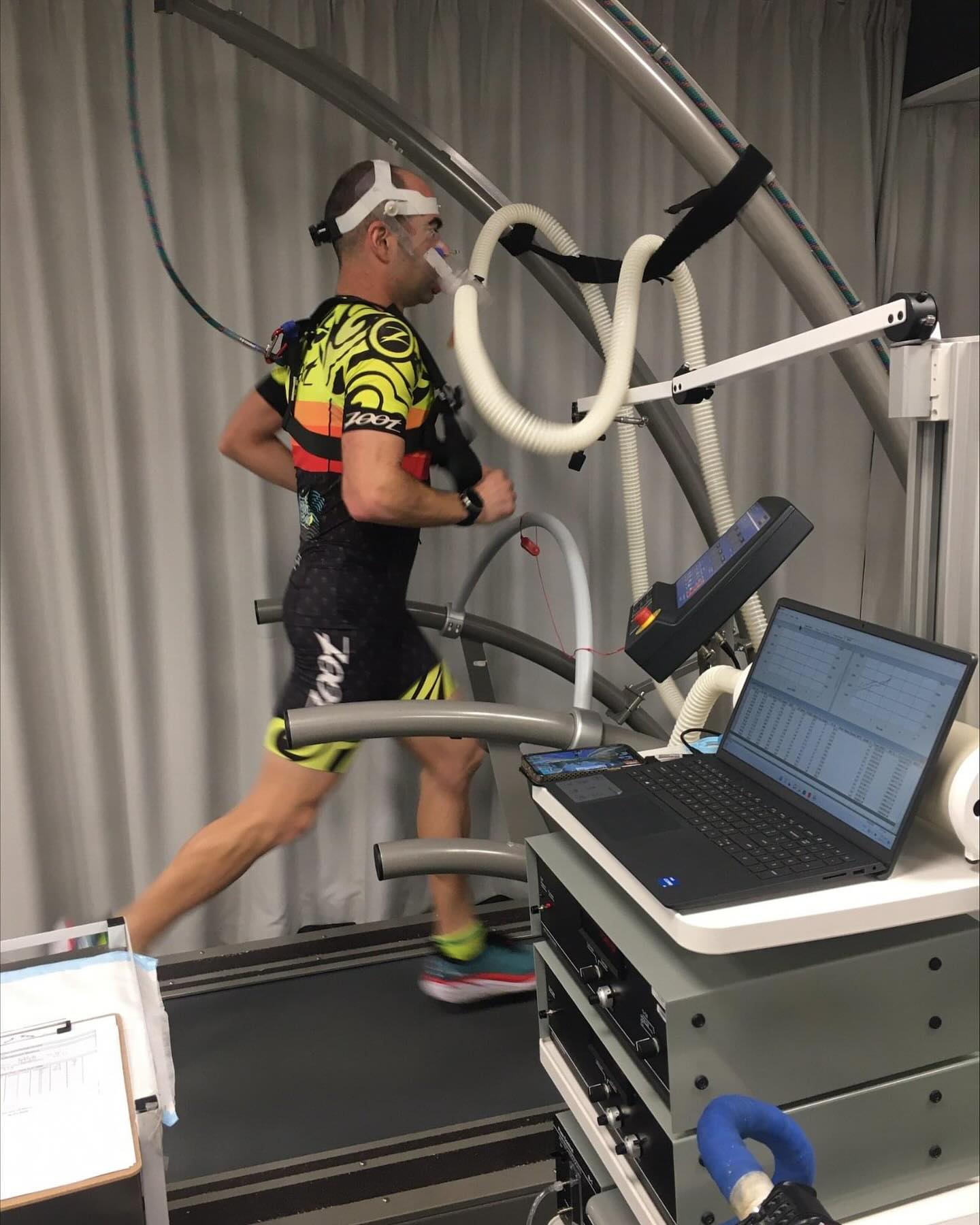
As a Deakin Research Assistant in 2023, I worked on the energy-expenditure accuracy of GPS sport watches, including sub-maximal V-O-two testing of recreational runners on a clinical-grade treadmill. That laboratory work sits alongside day-to-day use of activity-based wearables as a coach, athlete and sport scientist. My 2023 paper examined how and why triathlon coaches use a suite of technologies in their practice.
Open audioLeighton Wells undertaking a treadmill VO₂max test.
As a Deakin Research Assistant in 2023, I tested the energy-expenditure accuracy of GPS sport watches, including sub-maximal VO₂ testing of recreational runners on a clinical-grade treadmill with a MetaLyzer.
That laboratory work sits alongside day-to-day use of activity-based wearables as a coach, athlete and sport scientist. My 2023 paper examined how and why triathlon coaches use a suite of technologies in their practice.
Research on coaching and technologyRecorded in TrainingPeaks.
Six months of training data.
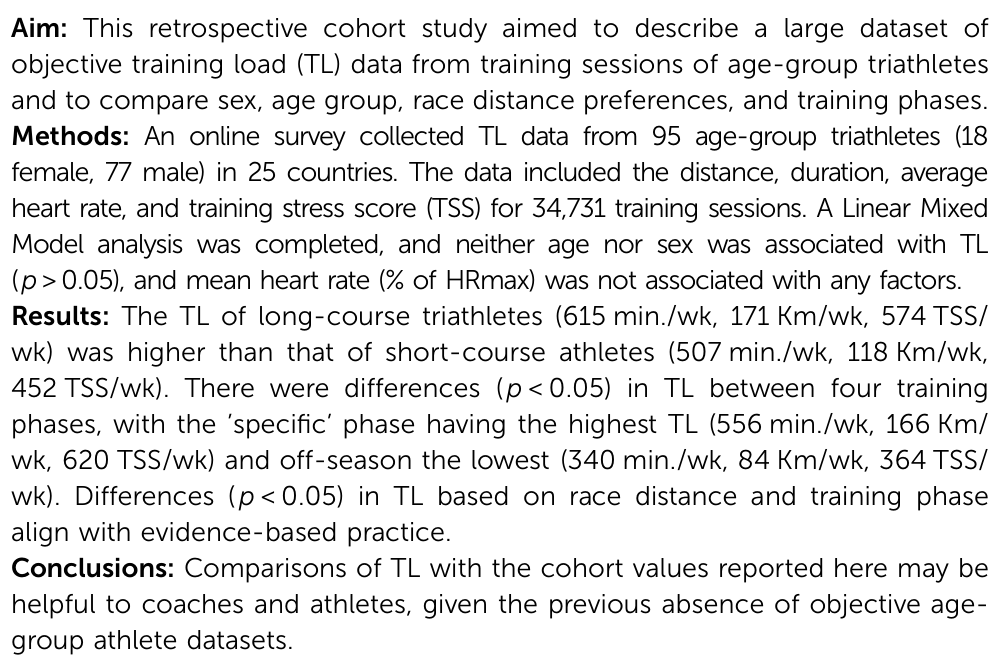
The training-load study examined 34,731 sessions from 95 age-group triathletes over six months, using TrainingPeaks data. The study considered differences by sex, age, race-distance preference and training phase.
Doctoral research
My doctorate combined a national survey, interviews, six months of athlete training data and a coach-education intervention. In that intervention, coach comments on the training platform increased more than fourfold, although no statistically significant differences in athlete perceptions or training adherence were detected. For Summit Triathlon Coaching, my advice directs the prescription for 24 training plans. AI generates a base, then my review cycles judge mostly whether the physiological stress is realistic for the athlete's level. They caught early drafts with little or no recovery, too many build weeks without a de-load, and tapers that cut too little volume.
Open audioMy doctorate examined how triathlon coaches prescribe, measure, monitor and manage training load. The work combined a national survey, interviews, six months of athlete training data and a coach-education intervention.
AI-driven development
Summit Triathlon Coaching’s 24 training plans (345 weeks, 2,704 sessions) start from an AI-generated base, and my advice directs the prescription. I read the model outputs directly and review the generated plans against physiological standards, drawing on my PhD in training load, years as an athlete and coach, and peer-reviewed evidence on periodisation, recovery and tapering. The first test is whether the training stress is realistic and safe for the athlete’s level.
Where a draft had too little recovery, too many build weeks without a lighter week, or a taper that cut too little volume, I corrected the plan. The plans are also groundwork for a study of AI-assisted training, now in scoping.
The latest AI models write my code, and I check it through adversarial review between models. Python runs through my AI development work, and I understand where it sits in the development chain, how it does its job and why it belongs there. Version control and testing run throughout, and shared code repositories on GitHub are familiar ground.
Thesis Figure 1 · p. 25
Prescribe Load
Measure Load
Monitor Load
Manage Load
The survey examined coaching practice against published recommendations. Interviews then explored the reasons behind coaches’ decisions. Coaches were often adapting to the demands of their athletes’ lives. The research identified opportunities to improve monitoring and communication while retaining coaches’ understanding of the individual athlete.
Thesis Figure 9 · p. 56
Even though RPE was regularly used to prescribe load, it was one of the least commonly used load measurement metrics (62%).
Prescribe Load
Measure Load
RPE: Rating of Perceived Exertion · HR: heart rate · TSS: Training Stress Score · TRIMP: Training Impulse
“You can be getting great data, and the athlete is falling into a hole, and you’re not picking it up because everything looks great, and the compliance is high and all those sorts of things.”
TrainingPeaks records from 95 age-group triathletes provided 34,731 sessions over six months. The study examined training load and intensity, with explicit data-cleaning rules and analysis by age, sex, race-distance preference and training phase.
Thesis p. 93 · Figure 13, p. 90
These phase-specific variations in the present study indicate that age-group triathletes appear to be following periodised training plans.
A coaching-education study combined training records, communication activity, athlete surveys, coach ratings and interviews. Two coaches and 17 athletes took part across a six-week control period and six-week intervention. Coach comments on the training platform increased more than fourfold. No statistically significant differences in athlete perceptions or training adherence were detected during the six-week intervention.
Thesis pp. 103–105
Results indicated subjective improvements in overall TL practices.
Self-rated TL practice · both coaches: 5 out of 10 before, 8 out of 10 after
Communication effectiveness · Coach 1: 4 out of 10 before, 9 out of 10 after
Communication effectiveness · Coach 2: 5 out of 10 before, 7 out of 10 after
Research
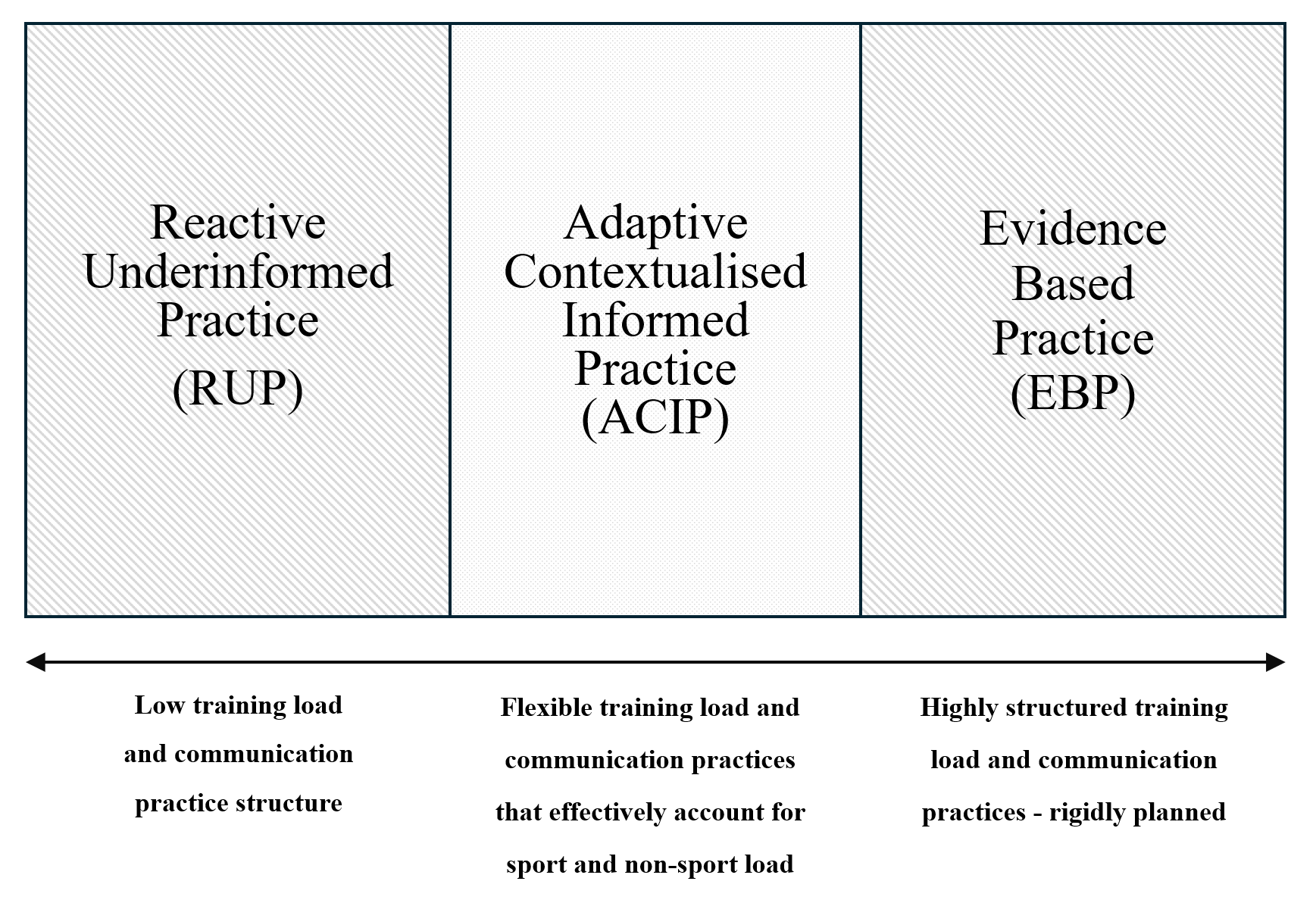
The practical question running through my research was how coaching can account for both sport and the rest of an athlete's life. Four first-author peer-reviewed papers are published, with a fifth under second-round review. The thesis proposes an approach called Adaptive Contextualised Informed Practice: planned training, objective information, feedback and the capacity to respond when life changes. It has not been empirically validated. The thesis also proposes evaluating AI that brings subjective and objective information together to support coaching decisions.
Open audioMy Deakin doctorate examined training load, including its quantification in TrainingPeaks, and how triathlon coaches use information and communicate with athletes. The practical question running through the research was how coaching can account for both sport and the rest of an athlete’s life. The doctorate produced three first-author peer-reviewed papers, and my master’s research produced a fourth. A fifth paper is under second-round review.
Adaptive Contextualised Informed Practice is the proposed approach developed in the thesis: planned training, objective information, feedback and the capacity to respond when life changes. The approach has not been empirically validated. The thesis also proposes evaluating AI that brings subjective and objective information together to support coaching decisions.
Read the doctoral thesisRUP
Reactive Underinformed Practice
Low training load and communication practice structure
Low training load structure. Minimal planning, minimal objective and subjective data utilisation. Reactive to life load.
ACIP
Adaptive Contextualised Informed Practice
Flexible training load and communication practices that effectively account for sport and non-sport load
Structured training load, planned with flexibility in mind. High objective data utilisation with an emphasis on subjective data (feedback and context) utilisation. Highly responsive to life load.
EBP
Evidence Based Practice
Highly structured training load and communication practices, rigidly planned
Highly structured training load is rigidly planned. Low flexibility, high objective and subjective data utilisation. Interpreted as rules to adhere to. Less responsive to life load.
Athlete · Coach
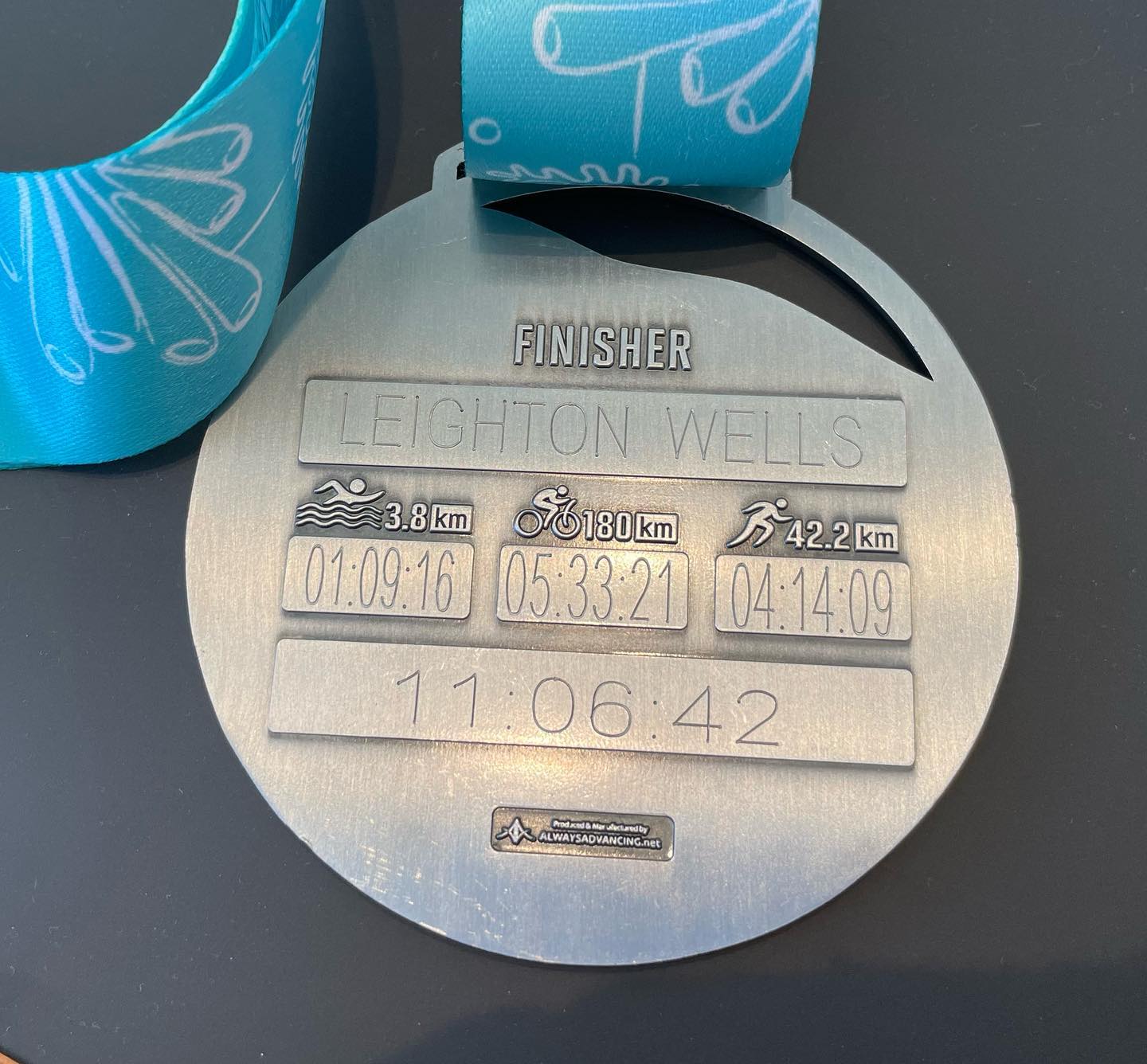
Through Summit Triathlon Coaching, I work with athletes in Australia and internationally, up to Ironman distance. More than thirty years in the sport and seven Ironman finishes inform that work, alongside the science. That has regularly included athletes returning from injury or illness, where return to play carries a clinical overlay. During my doctorate, parenting, teaching, research and coaching left little room for Ironman preparation. I stepped back from racing and kept coaching. The competing demands I was studying were part of my own life.
Open audioThrough Summit Triathlon Coaching, I work with athletes in Australia and internationally, across triathlon distances up to Ironman. More than thirty years in the sport and seven Ironman finishes inform that work, alongside the science. Athletes returning from injury or illness are regular clients, and return to play has a clinical side.
During my doctorate, parenting, teaching, research and coaching left little room for Ironman preparation. I stepped back from racing and kept coaching. The competing demands I was studying were part of my own life.
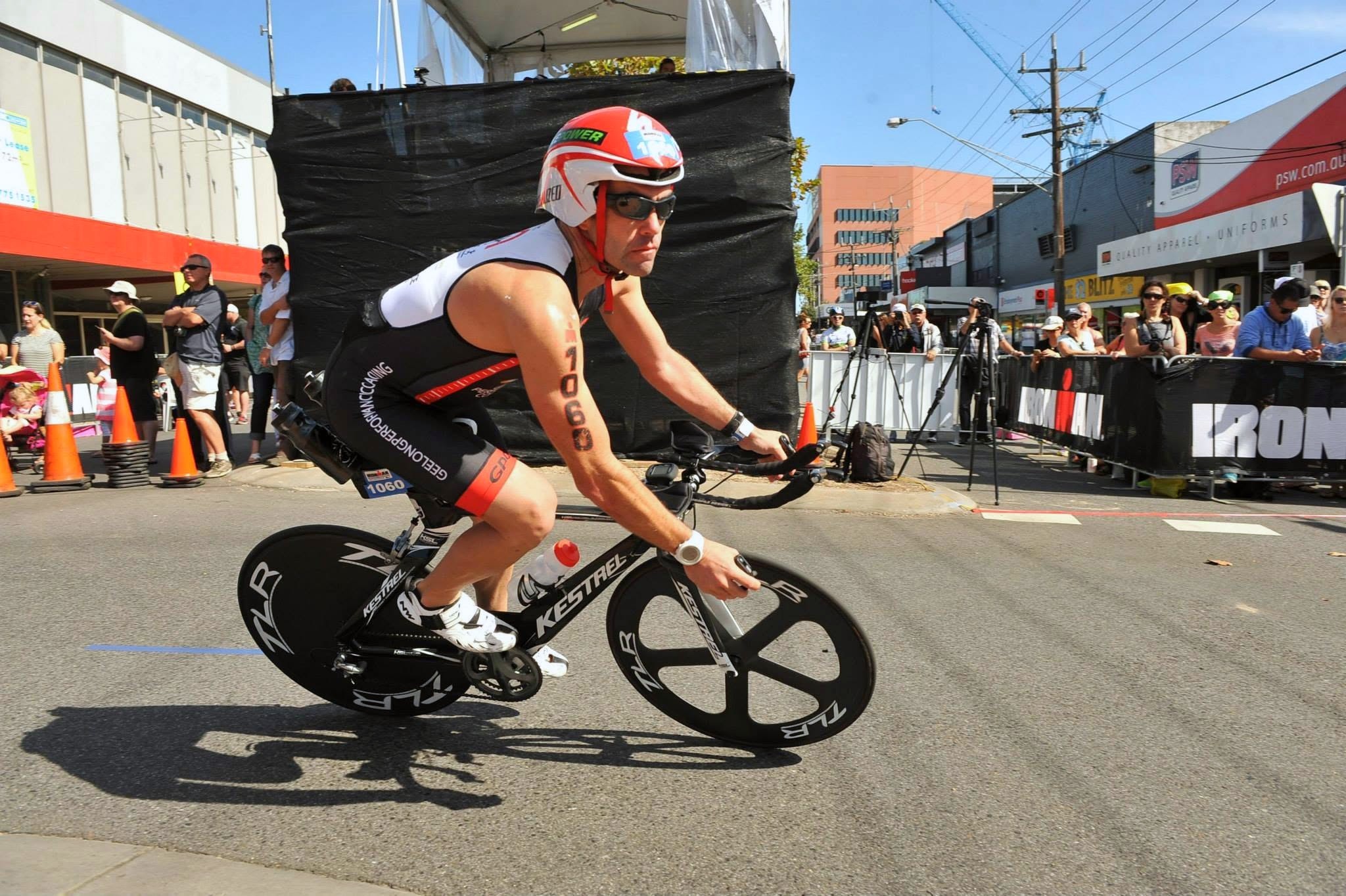
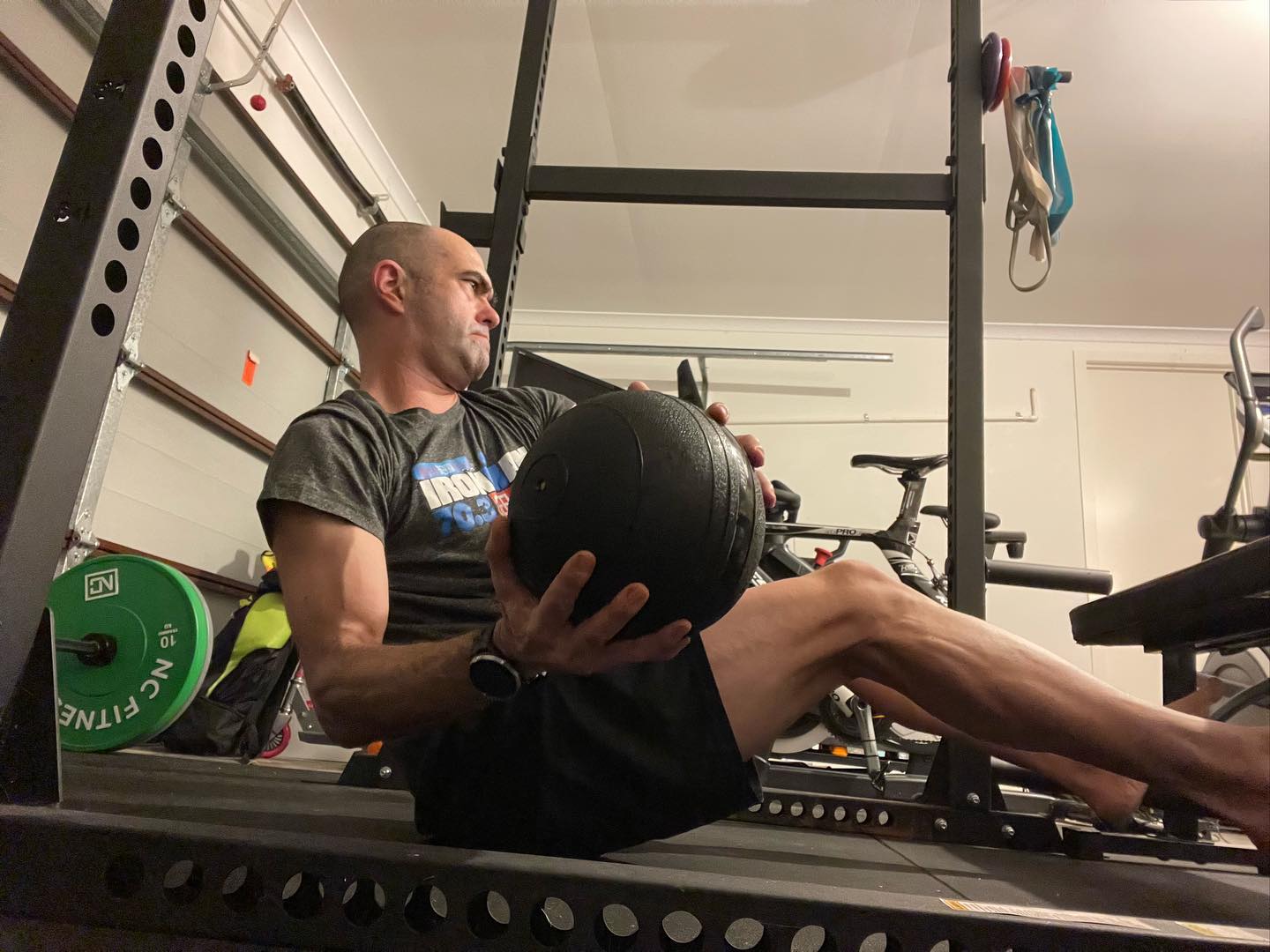
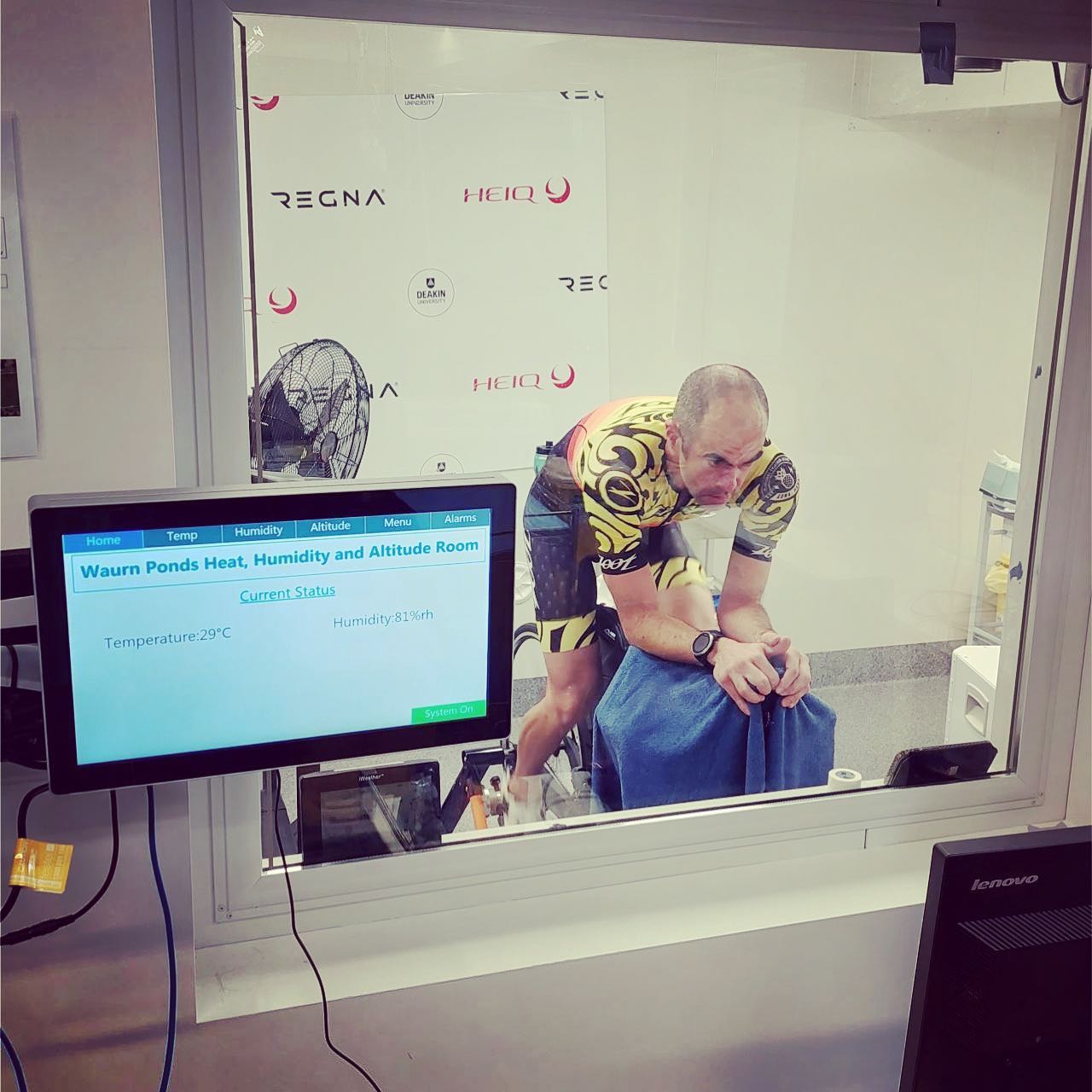
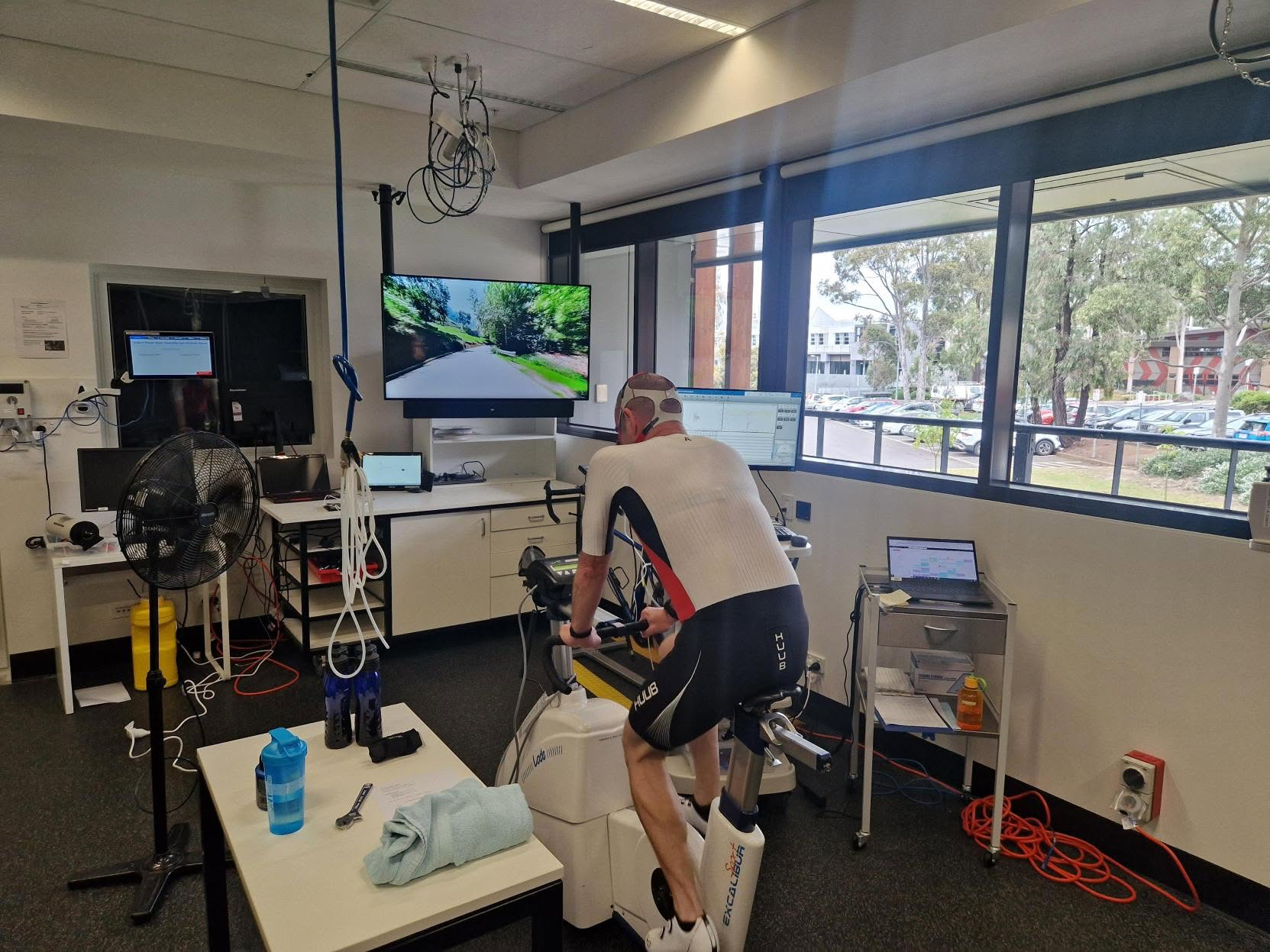
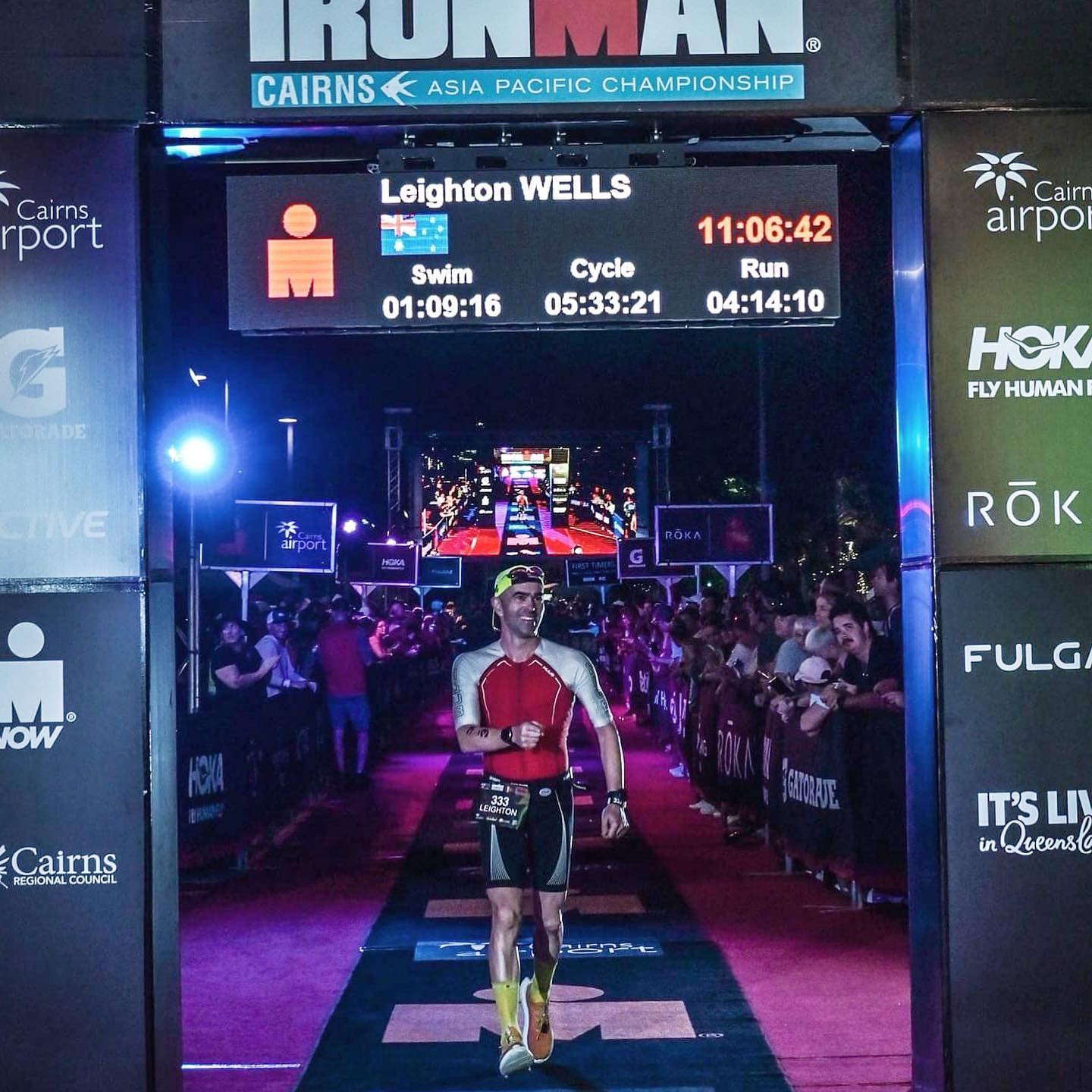
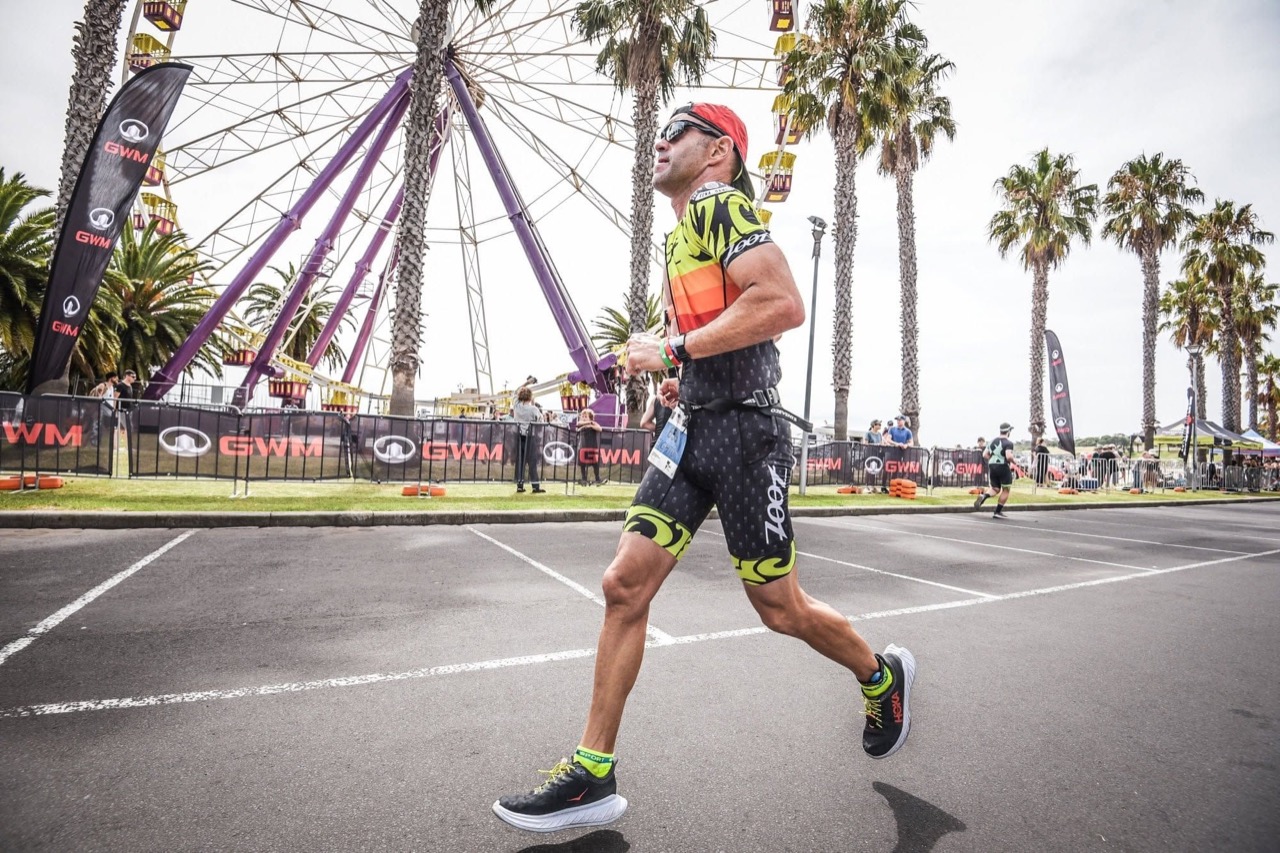
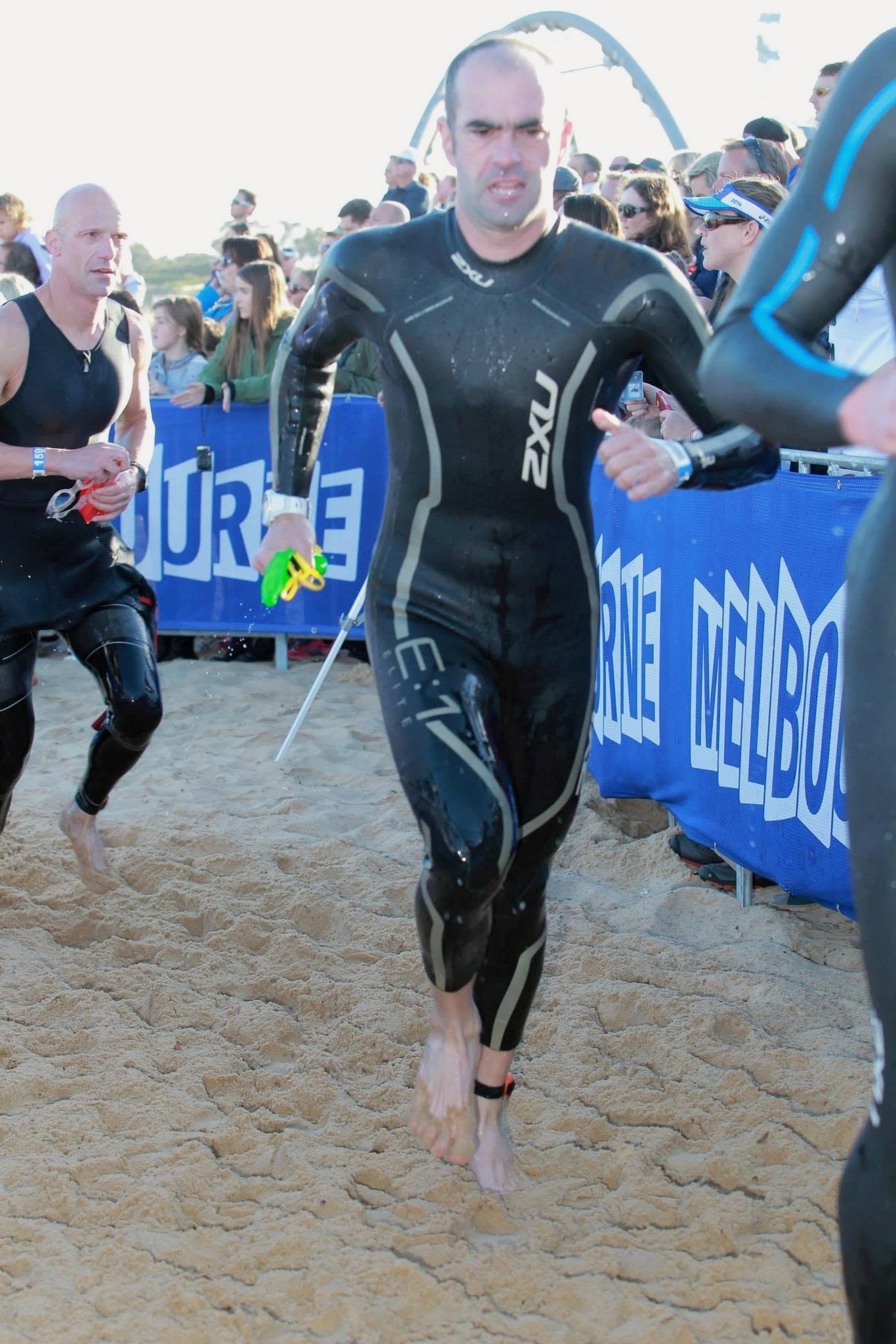
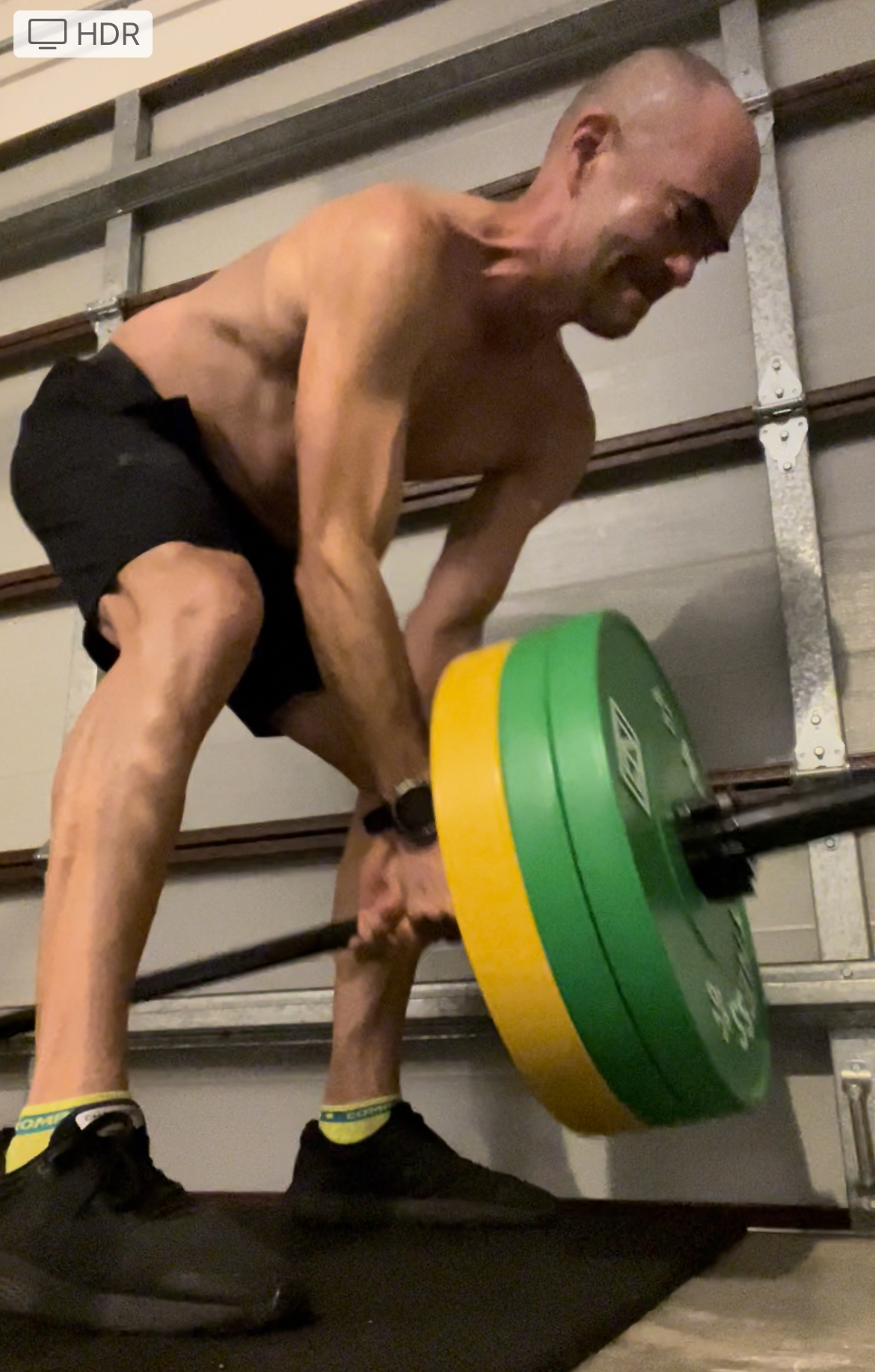
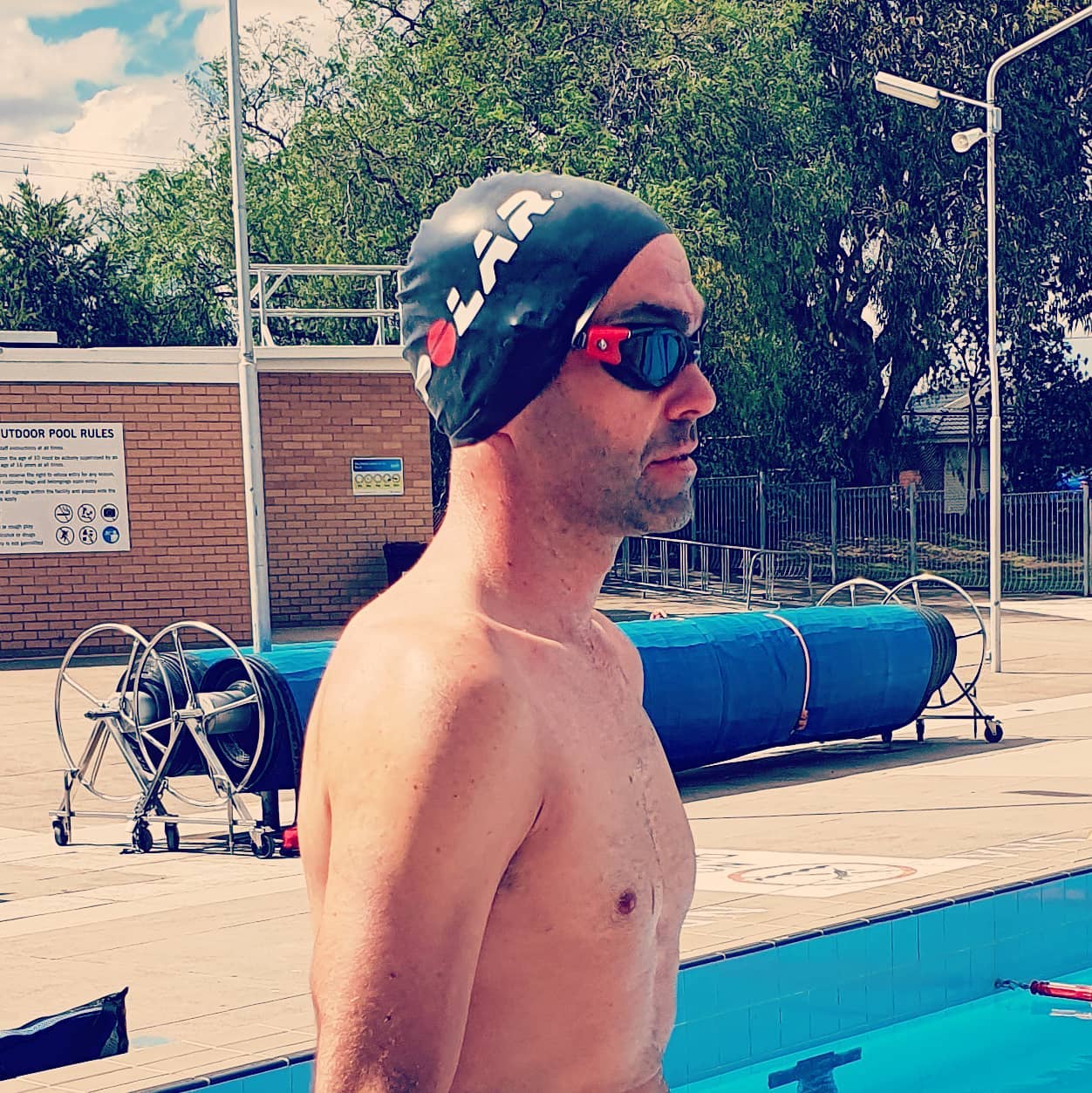
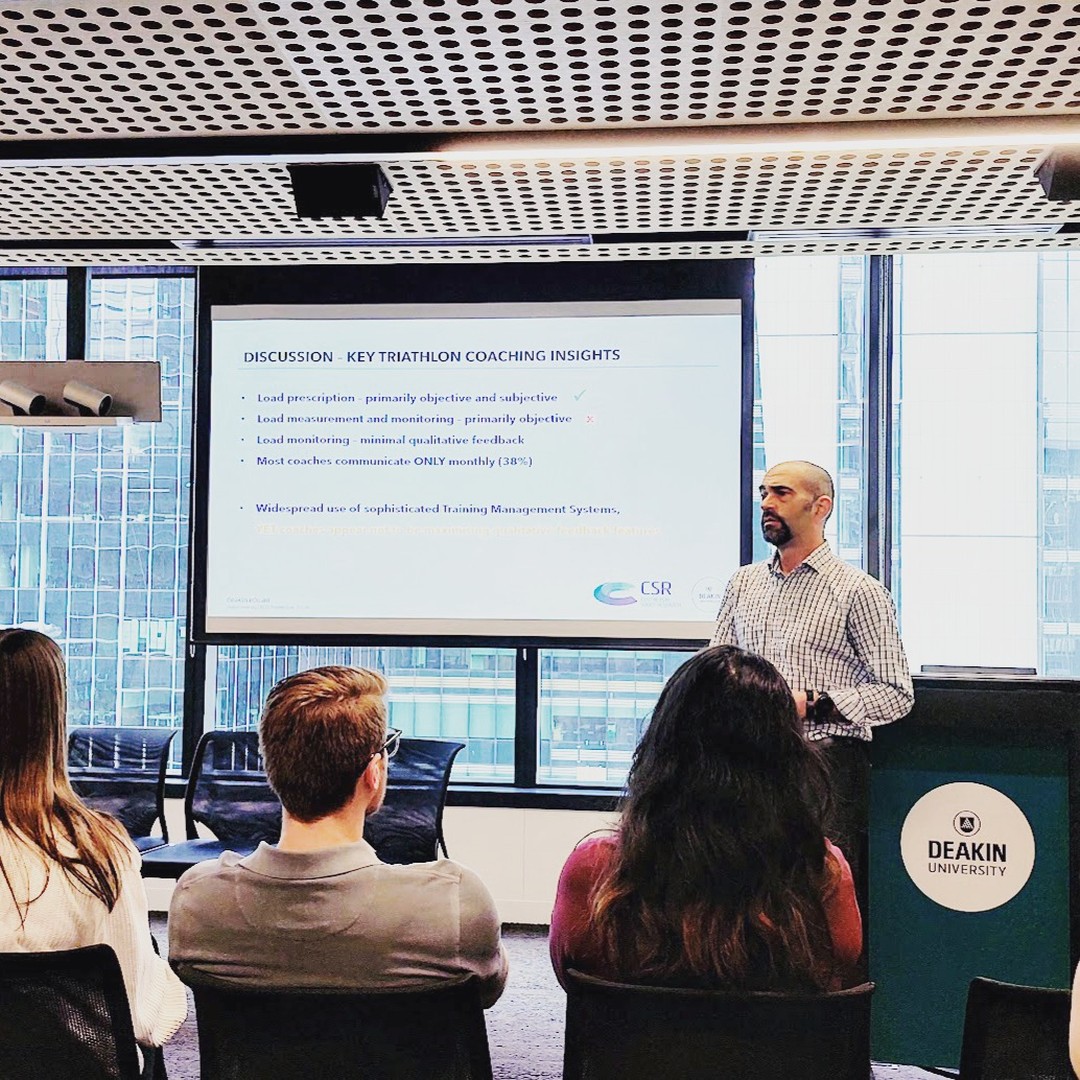
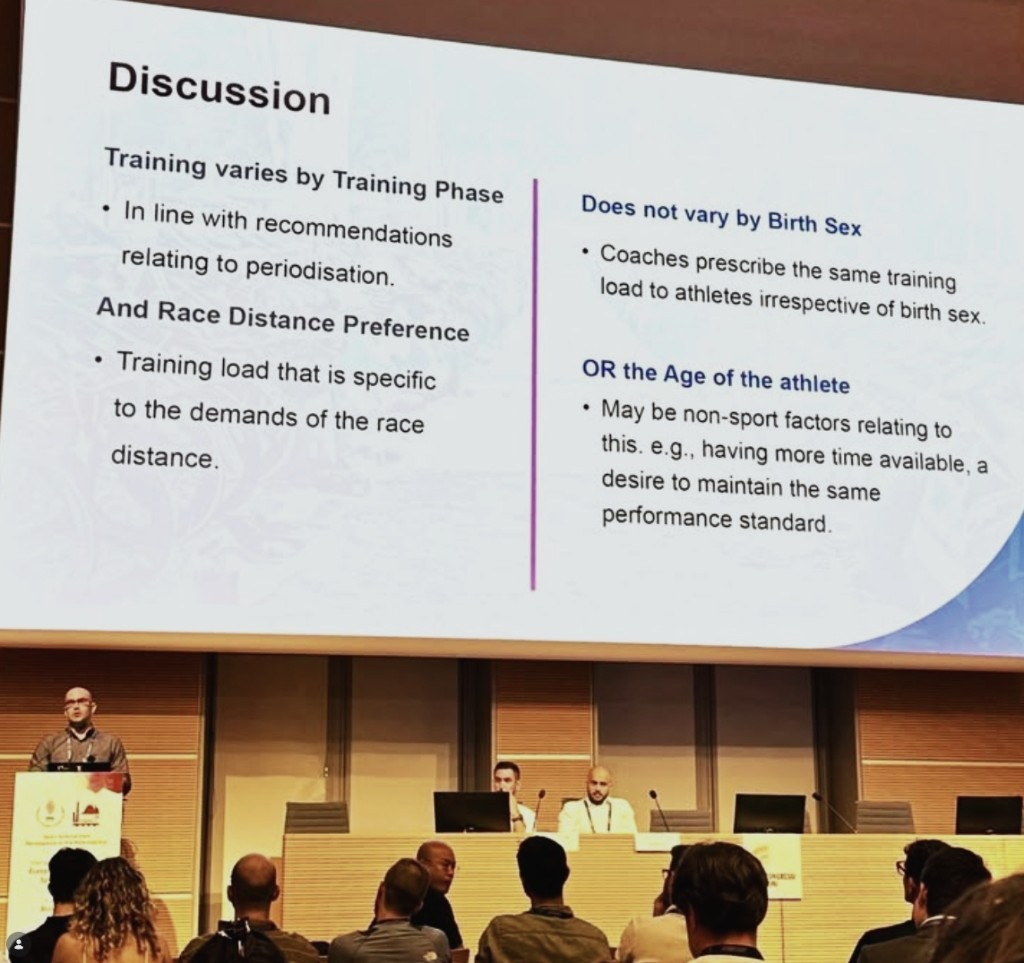
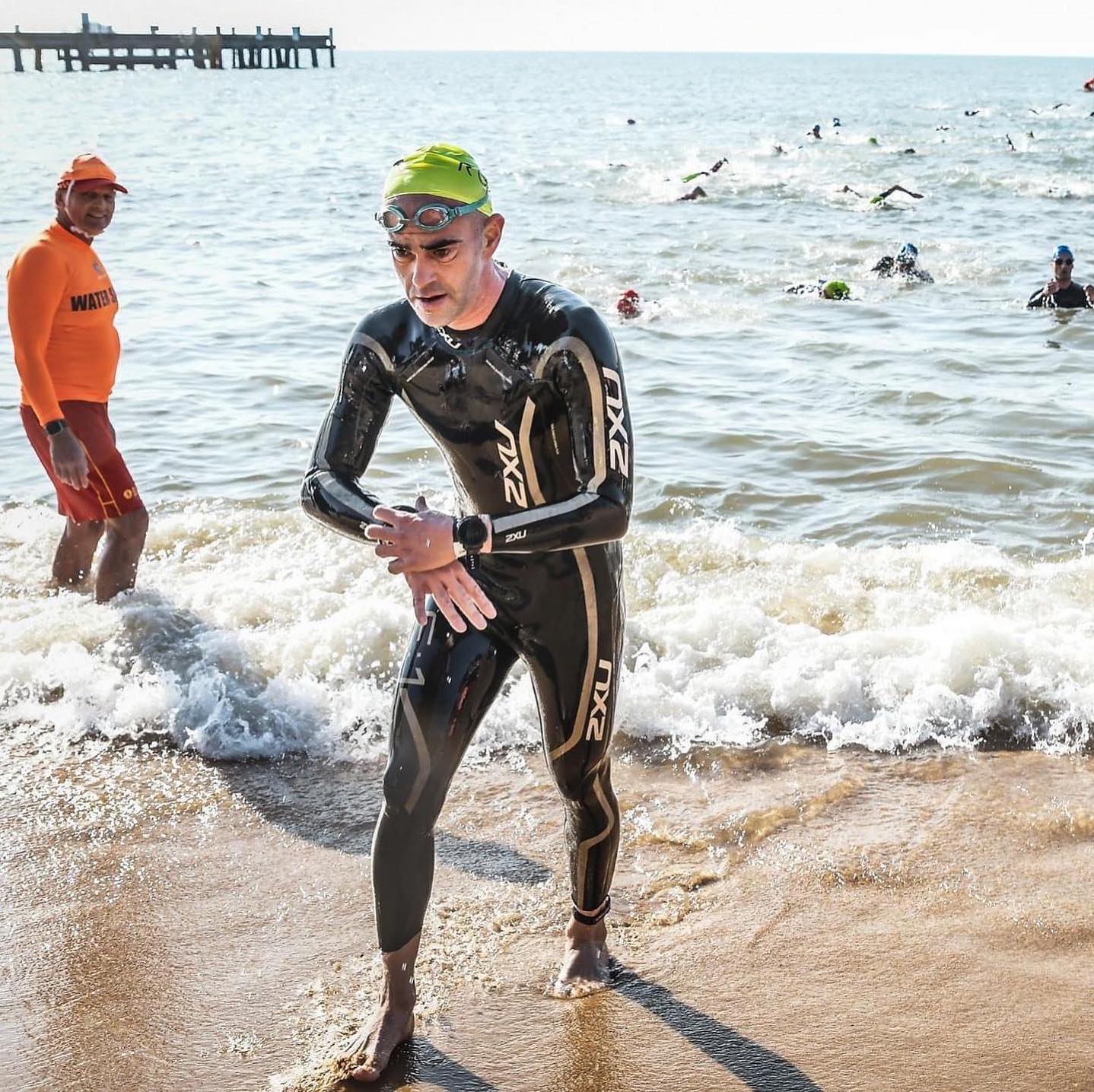
Activity-based wearables are central to my work as a coach, athlete and sport scientist. National coach education for AusTriathlon and TrainingPeaks has taken the research into discussion with development, performance and Olympic-level coaches. Teaching physiology at Deakin University and Victoria University is science translation too: making the explanation useful to the audience in front of me.
Product, technology and commercial leadership
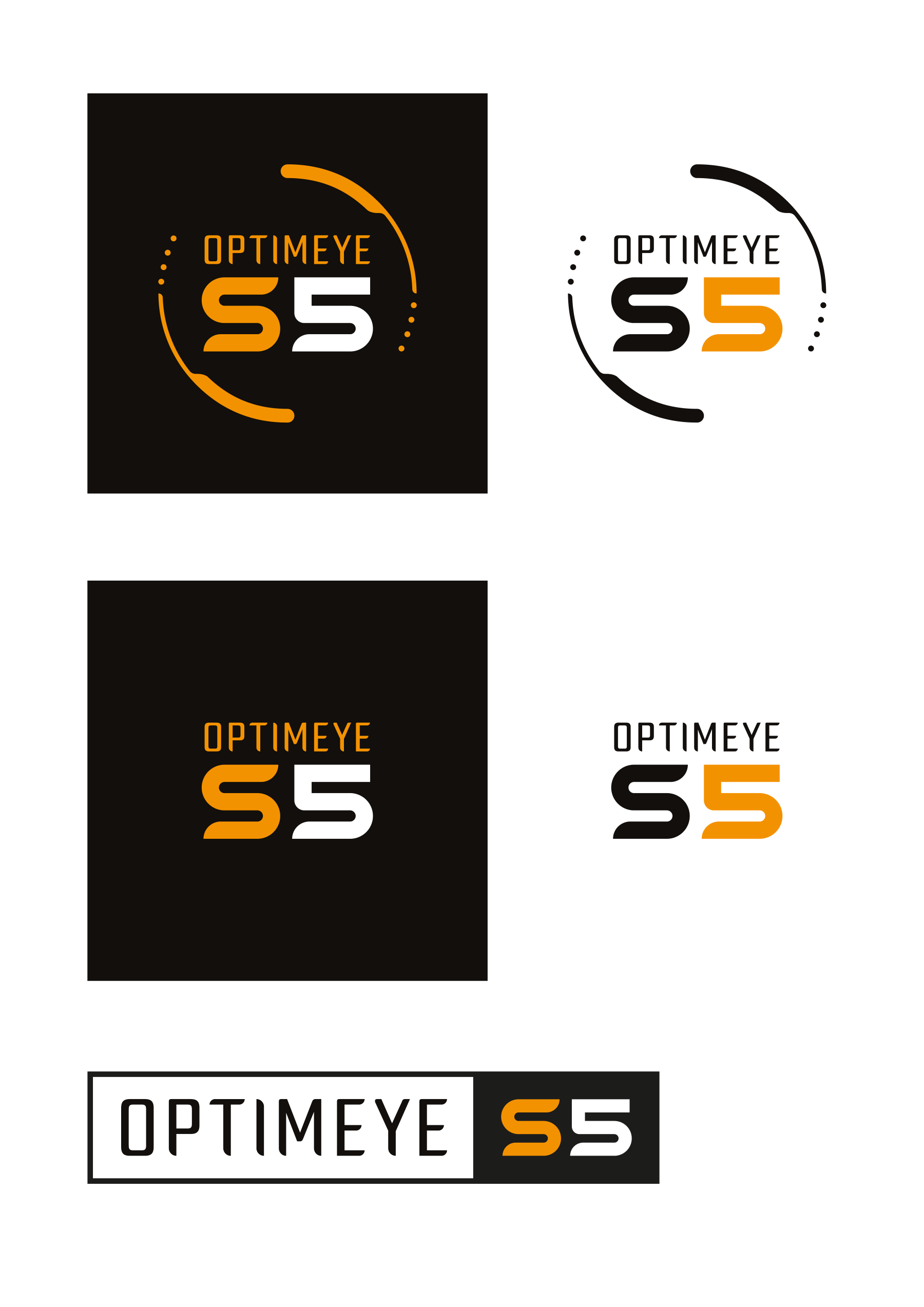
My career began as a technical writer at Varian, now part of Agilent, writing manuals and creating help videos for UV-Vis spectrophotometers. At Crux, my marketing consultancy, we created the OptimEye and ClearSky identities for Catapult. Through Digitalsmith, the digital agency I owned and led, I later worked on digital strategy, the website and acquisition-related due diligence. As Product Manager at ADP Employer Services, I was responsible for Payline, which had a twenty-three million dollar annual sales target.
Open audioAt Crux, my marketing consultancy, we created the OptimEye and ClearSky identities for Catapult, giving innovative sport technology a globally competitive, premium presentation. Through Digitalsmith, the digital agency I owned and led, I later worked on Catapult’s digital strategy, website and acquisition-related due diligence.


 View detail
As Product Manager at ADP Employer Services, I was responsible for Payline, which had a $23 million annual sales target.
PaylineAs Marketing Director at Dexion, part of GUD Holdings, I led the company’s marketing, delivering a new website, new photography of new and existing products, and new print brochures and binders for sales staff.
I co-founded Runway, a startup incubator and accelerator. Bringing business, research and technology people together has been a recurring part of my work.
My career began as a Technical Writer at Varian, now part of Agilent, writing manuals and creating help videos for UV-Vis spectrophotometers. Later, as Marketing Communications Manager at GBC Scientific Equipment, I managed the staff who produced manuals and help videos for a much wider range of scientific equipment. The Chicago Manual of Style guided my technical writing and marketing communications work.
Research and its application
Frontiers in Sports and Active Living · 2026
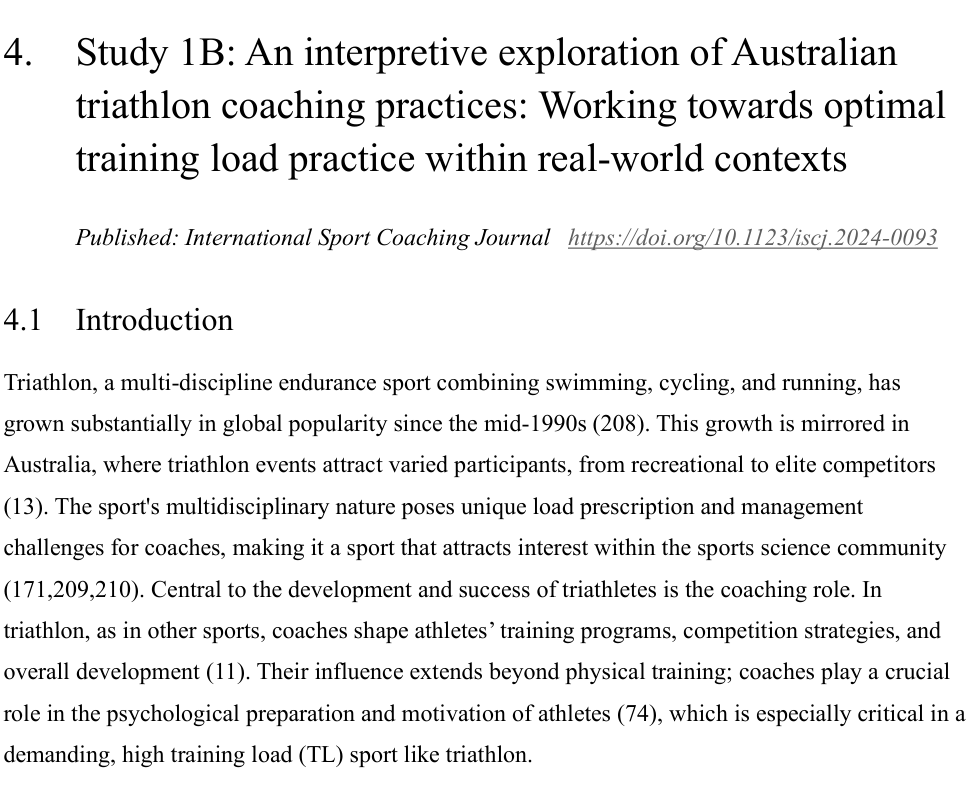
International Sport Coaching Journal · 2026
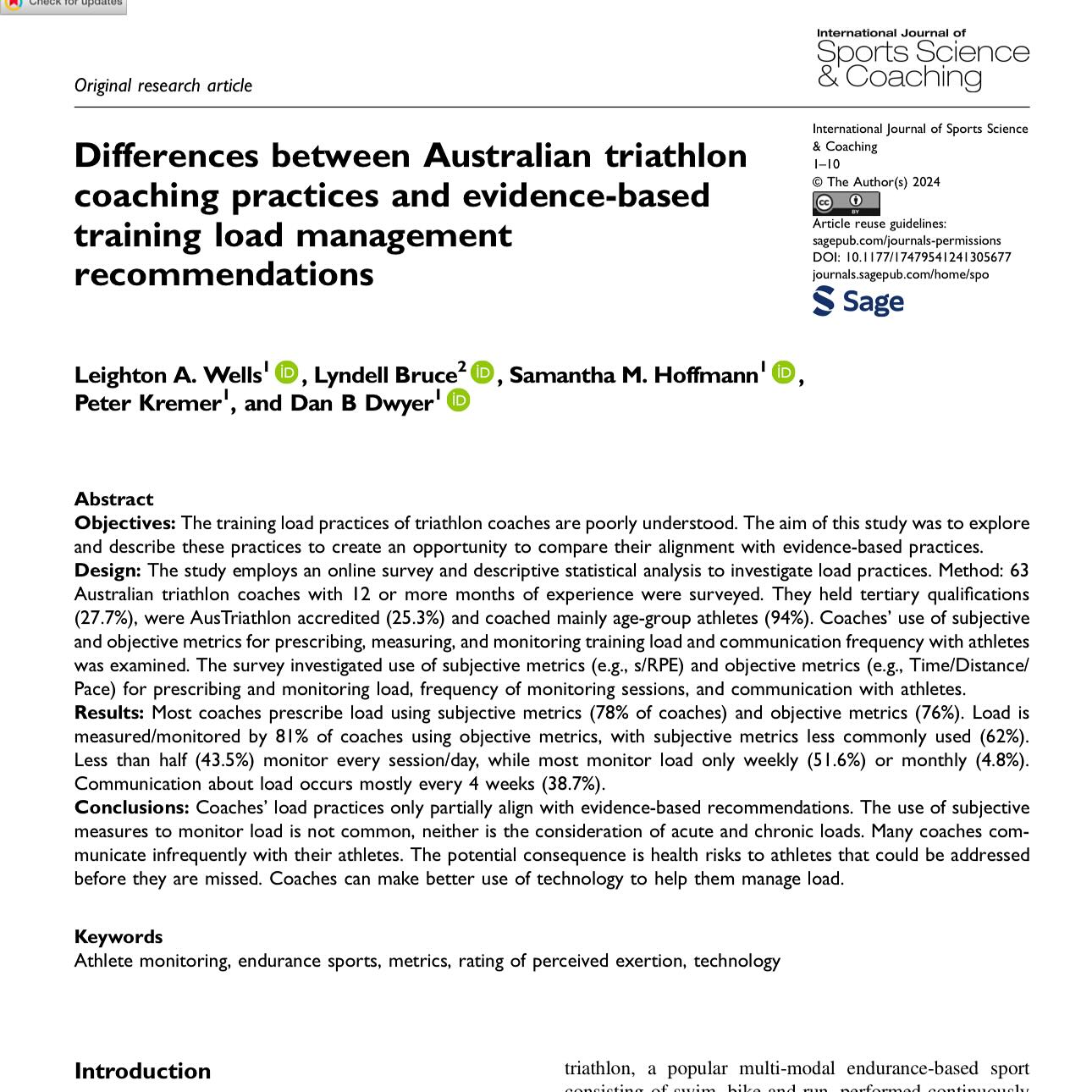
International Journal of Sports Science & Coaching · 2025
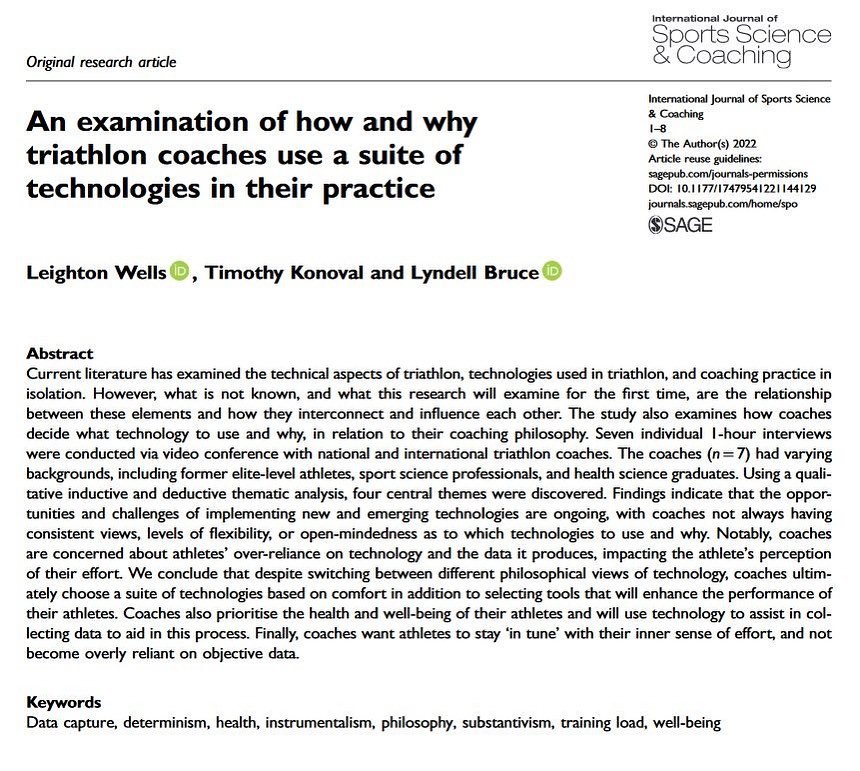
International Journal of Sports Science & Coaching · 2023
TrainingPeaks Coach Blog · 2026
augo · Substack
Apple Health AIML
The opportunity to help define and evaluate Apple's exercise guidance is a strong fit for the work I want to do next. I would bring applied sport science, research, practical evaluation experience and an understanding of how technology reaches people. I'm based in Victoria, Australia, and open to relocating with my family for the right role. Thank you for listening.
Open audioThe opportunity to help define and evaluate Apple’s exercise guidance is a strong fit for the work I want to do next. I would bring applied sport science, research, practical evaluation experience and an understanding of how technology reaches people.
Based in Victoria, Australia, I am open to relocating with my family for the right role.
leightonwells@gmail.com+61 418 519 906
via San Francisco
Illustrative flight profile
Scroll to follow the flight
La.W draws on Bang & Olufsen’s visual language. Motion and navigation inspired by apple.com. Art direction and content: Leighton Wells.
*Opening film: actual shot of my bike. Lighting and colour grading were AI generated.
Narration: Google Gemini 3.8 Flash TTS (AI voice).
Apple’s Human Interface Guidelines and product pages are references for interaction, accessibility and motion. HealthKit guidance informs how health data is described and protected. Editorial references: Apple Style Guide; Chicago Manual of Style Q&A.